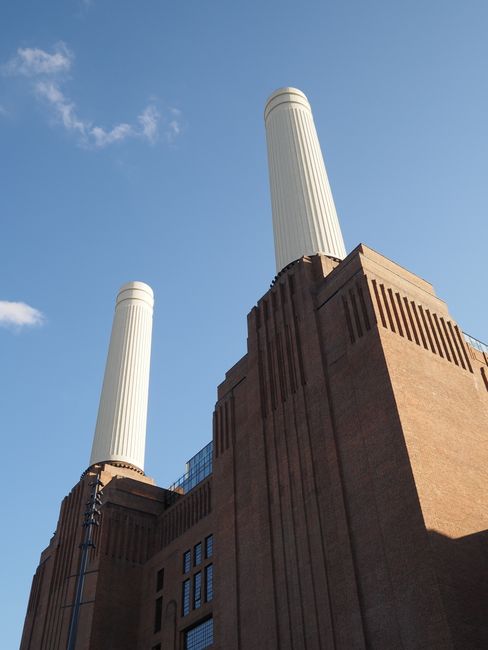
Battersea Power Station rubbish clearance services SW11 nearby: a practical local guide
If you are looking for Battersea Power Station rubbish clearance services SW11 nearby, chances are you need something cleared quickly, properly, and without turning your day into a long, dusty ordeal. Maybe it is post-renovation rubble. Maybe a flat has filled up with unwanted furniture. Or maybe you have just had one of those moments where the pile in the corner suddenly looks twice as big at 8am than it did the night before. Either way, local rubbish clearance should feel straightforward, not stressful.
This guide explains how rubbish clearance near Battersea Power Station usually works, what to expect, what to avoid, and how to choose the right type of service for your situation. It is written for real-life jobs in and around SW11, where access can be tight, parking can be awkward, and timing often matters more than people think.
One thing you notice quickly in this part of London: a good clearance service is not just about lifting bags. It is about planning, access, safe handling, and knowing what needs special care. That is the difference between a tidy exit and a messy headache.
Table of Contents
- Why Battersea Power Station rubbish clearance services SW11 nearby Matters
- How Battersea Power Station rubbish clearance services SW11 nearby Works
- Key Benefits and Practical Advantages
- Who This Is For and When It Makes Sense
- Step-by-Step Guidance
- Expert Tips for Better Results
- Common Mistakes to Avoid
- Tools, Resources and Recommendations
- Law, Compliance, Standards, or Best Practice
- Options, Methods, or Comparison Table
- Case Study or Real-World Example
- Practical Checklist
- Conclusion
- Frequently Asked Questions
Why Battersea Power Station rubbish clearance services SW11 nearby Matters
Battersea Power Station and the surrounding SW11 area attract a mix of new residents, long-term locals, businesses, landlords, and contractors. That mix creates a wide range of rubbish and waste needs. A one-size-fits-all approach rarely works here. A flat move-out, a builder's strip-out, and an office clean-up all look different. They need different handling, different timings, and sometimes different vehicles.
Location matters too. Around Battersea, you are often dealing with shared access, loading restrictions, apartment blocks, concierge arrangements, and limited roadside space. In plain English: the job can be simple, but only if the clearance is planned sensibly. If it is not, even a small job can drag on.
Nearby rubbish clearance is also useful because it reduces delay. When you are trying to clear a room, hand back keys, finish a renovation, or reopen a workspace, waiting around is not ideal. Fast response, local knowledge, and clear communication make a real difference. Let's face it, nobody wants a pile of waste sitting by the door for three days while life carries on around it.
There is another angle people often miss: good clearance protects the condition of the property. Hallways, lifts, stairwells, and entrances can be damaged by careless handling. A proper clearance team should move items cleanly, keep routes tidy, and leave the space ready for whatever comes next.
Expert summary: In SW11, the best rubbish clearance is usually the one that fits the building, the access, the timing, and the type of waste, not just the one that sounds cheapest on paper.
How Battersea Power Station rubbish clearance services SW11 nearby Works
Most local rubbish clearance jobs follow a fairly simple process, though the details vary depending on the amount and type of waste. A good provider will usually start by asking what needs removing, where it is located, and whether anything needs special handling. That first conversation matters more than people assume. It saves wasted trips and avoids awkward surprises on the day.
For example, if you are clearing a flat near Battersea Power Station, the team may need to know about stairs, lifts, parking access, and whether the waste includes heavy furniture, broken appliances, or renovation debris. A small pile of black bags is one thing. A sofa, mattress, and dismantled wardrobe is another. Builders' rubble is another again.
The day itself usually involves arrival, assessment, loading, and sweeping through the area once the waste is removed. Some jobs finish in under an hour. Others take longer if items are bulky, access is narrow, or there are multiple collection points. The aim should always be the same: remove the waste efficiently without creating extra mess.
In practical terms, rubbish clearance often overlaps with related services such as rubbish removal, rubbish collection, waste clearance, and, where the load is larger or heavier, waste removal. The right choice depends on the material, volume, and urgency.
Typical stages of a local clearance job
- Initial enquiry and description of the waste.
- Photos or a rough estimate of volume, if needed.
- Discussion of access, timing, and any special items.
- Arrival and loading by the clearance team.
- Sorting, transport, and lawful disposal or transfer.
- Final tidy-up of the cleared area.
That sounds basic, and in a way it is. But the difference between a smooth job and a frustrating one is often hidden in the planning. A rushed estimate, unclear access notes, or forgotten heavy item can throw the whole schedule off. Tiny thing. Big impact.
Key Benefits and Practical Advantages
The strongest reason people book rubbish clearance near Battersea Power Station is simple: it saves time and reduces stress. But there are a few more benefits worth spelling out because they affect the outcome in very practical ways.
1. Faster turnaround in a busy area
SW11 is lively, busy, and often a bit compressed at the edges. Nearby services can usually respond more quickly than a provider travelling from far across London. That matters when you need a flat ready for viewings, a workplace reset, or a renovation space cleared before the next stage starts.
2. Less manual hassle for you
Moving waste yourself means lifting, loading, sorting transport, and figuring out disposal. It is not just tiring. It can also be awkward if the waste is heavy or if you do not have suitable vehicle access. A clearance service takes the physical side off your plate.
3. Better handling of bulky or awkward items
Sofas, mattresses, old wardrobes, broken desks, and builder's debris are all unpleasant in different ways. For bulky items, a specialist approach often makes more sense. If a sofa is the main issue, for instance, a dedicated sofa removal option may be more efficient than a general tidy-up.
4. Cleaner finish for homes, rentals, and businesses
People often underestimate the visual impact of a proper clearance. A room that looked cluttered can feel ten years younger once the waste is gone. That is especially noticeable in flats and smaller commercial spaces, where every bit of floor space counts. Truth be told, sometimes the whole property seems to breathe again.
5. Reduced risk of disposal mistakes
Different materials require different handling. A good team will know what should be separated, what needs care, and what may require a more specific route to disposal. That is one reason people choose a professional over trying to sort everything out themselves on a tight weekend schedule.
| Option | Best for | Typical advantage | Potential drawback |
|---|---|---|---|
| DIY clearance | Very small amounts of waste | Simple if you already have transport | Heavy lifting, time, and disposal hassle |
| General rubbish clearance | Mixed household or trade waste | Convenient and flexible | Needs clear access information |
| Specialist item removal | Sofas, furniture, garage contents | Better handling of awkward items | May be less suitable for mixed loads |
| Full property clearance | House, flat, office, or garage clear-outs | Comprehensive and efficient | Usually needs more planning |
Who This Is For and When It Makes Sense
This kind of clearance service is not just for one type of customer. In SW11, it suits a surprisingly wide range of situations.
Homeowners and renters
If you are moving out, refurbishing, downsizing, or simply reclaiming a spare room, rubbish clearance can make the process feel manageable. In flats near Battersea, especially, people often need a quick reset before tenancy checks, new furniture delivery, or move-in day.
For full household jobs, it can help to look at house clearance or home clearance. If you live in a smaller property or apartment, flat clearance may be the better fit. The right label matters less than the practical scope of the job, but it helps to match the service to the space.
Landlords and letting agents
Turnaround time is crucial between tenancies. Forgotten furniture, bin bags, and left-behind clutter are common. You want a service that can remove waste without making the flat look worse before it looks better. That sounds obvious, but there you are.
Contractors and renovators
Small building jobs generate more mess than people expect. Offcuts, tiles, plasterboard, packaging, broken fixtures, and old fittings can pile up fast. For this kind of load, builders waste clearance is often more appropriate than standard domestic collection. If the job is a proper refurb, planning the waste route early saves a lot of faff later.
Businesses and office managers
Shops, small offices, studios, and hospitality spaces in and around SW11 often need a clean sweep after refits, relocations, or stock changes. For those jobs, business waste or office clearance may be the cleaner choice. Desks, packaging, shelving, and files can all create different clearance needs.
Garage, garden, and storage-space clear-outs
It is amazing how quickly a storage room becomes a dumping ground. Old paint tins, broken tools, tired furniture, and random boxes somehow all end up in the same corner. For that kind of job, garage clearance and garden clearance can be the simplest route.
Step-by-Step Guidance
If you want the cleanest outcome, do not start with lifting. Start with sorting. A little order up front makes everything easier. Here is the practical version.
Step 1: Identify what needs to go
Walk through the space and separate general rubbish, bulky furniture, construction waste, and anything you want to keep. This is the part where people often discover three extra bags and one mysterious box of cables from 2017.
Step 2: Flag anything special
Let the provider know about heavy items, awkward access, or anything that might need extra care. If a lift is small, if parking is tight, or if the waste is spread over several rooms, say so early. It makes the day smoother and helps avoid delays.
Step 3: Choose the most suitable service
For mixed household waste, general rubbish clearance may be enough. For larger quantities, waste collection or waste disposal may be more suitable. If the waste is mostly loose items, the job is usually simpler than if it includes furniture or dismantled units.
Step 4: Prepare the access route
Clear hallways, unlock gates where needed, and make sure the team can safely reach the items. Even a two-minute access problem can turn into twenty if no one can move a wardrobe out of the room. Been there, seen that.
Step 5: Keep only the items you want
Before the team arrives, double-check the pile. It is easy to accidentally include paperwork, chargers, or something that still has value. One small second look can save regret later.
Step 6: Confirm what happens after loading
It is sensible to ask how the waste will be handled and whether the job includes sweeping or a light tidy-up. You want the area left usable, not merely emptied. A bit of dust is normal; a mess is not.
Expert Tips for Better Results
Here are a few practical tips that make a real difference. Nothing flashy. Just the kind of advice that helps the job go well the first time.
- Sort by material, not just by room. Wood, metal, fabric, cardboard, and general rubbish are easier to manage when grouped sensibly.
- Disassemble what you can safely. Flat-pack furniture, loose shelves, and modular pieces are easier to carry than bulky assembled items.
- Take photos before booking. A quick set of images can help reduce confusion and make estimates more accurate.
- Be honest about volume. If you are unsure, say so. Guessing low is a common mistake and usually causes friction.
- Think about timing around building access. Morning slots can be easier in busy blocks, while later slots may suit quieter residential windows.
- Keep valuables and personal papers separate. It sounds obvious, but clearing out a room can create a bit of chaos. Small items disappear in chaos. Funny how that works.
If you are dealing with furniture-heavy rooms, services such as furniture disposal can be especially helpful. For isolated items, that is often more efficient than arranging a larger clearance than you actually need.
A useful rule of thumb: if the job is making you avoid the room, it is probably time to get it cleared. No drama, just reality.
Common Mistakes to Avoid
Rubbish clearance is simple in concept, but a few common mistakes can create avoidable stress. The good news is that most of them are easy to dodge.
Underestimating the amount of waste
What looks like "a few bags" often turns into a van full once everything is gathered. If the waste is spread across multiple rooms, the total volume can surprise you. Better to over-communicate than to run short.
Forgetting about access restrictions
In and around Battersea Power Station, access can be the hidden issue. Parking, lifts, loading points, and timed entry all matter. A service can be excellent and still struggle if the access details are missing.
Mixing specialist waste with general waste
Builders' debris, electrical items, and bulky furniture may need separate handling. Mixing everything together can slow the job and make it harder to manage correctly. This is where a little sorting pays off.
Leaving booking too late
If you are on a deadline, do not leave clearance until the last minute. Move-out dates, landlord inspections, and refurbishment schedules have a habit of arriving right on time, whether you are ready or not.
Choosing only on price
Cheap sounds attractive, of course it does. But if the service is poorly organised or unsuitable for the type of waste, the saving can vanish quickly. It is worth weighing punctuality, suitability, and handling as well as cost.
Tools, Resources and Recommendations
You do not need a toolkit the size of a builder's van, but a few simple things help the process run more smoothly.
- Heavy-duty bags or boxes for sorting loose waste before collection.
- Marker tape or labels to separate keep, donate, and remove piles.
- Basic screwdriver or hex keys for taking apart flat-pack furniture where appropriate.
- Gloves if you are handling dusty, splintered, or awkward items before pickup.
- Phone photos to help you remember what should stay and what should go.
It also helps to review a provider's service pages before booking so you know what they specialise in. For example, rubbish removal, waste removal, and rubbish collection can suit slightly different jobs. The wording may look similar, but the best match depends on the type and amount of waste.
And if you want to learn more about the company behind the service, you can always review the about us page. For practical questions, the contact us page is the natural next stop. Easy enough.
Law, Compliance, Standards, or Best Practice
Waste and rubbish clearance in the UK should be handled carefully and lawfully. Without getting bogged down in legal jargon, the key point is that waste must be taken to suitable disposal or recovery routes, and the person removing it should know what they are doing. If you are hiring a clearance service, it is sensible to check that they operate responsibly and keep records as needed.
There are also practical obligations around safe handling. Heavy lifting, sharp edges, dust, and awkward access all bring risks. A proper team should work in a way that reduces damage to the property and avoids unnecessary hazards. That means sensible loading, care in shared areas, and basic respect for the building.
For mixed loads, best practice usually includes separating items where practical, keeping hazardous or unusual materials out of general waste unless appropriate handling is in place, and making sure the job is not rushed beyond what the access allows. In older blocks or busy developments, this part matters more than people expect.
If you are a landlord, contractor, or business owner, keeping the space tidy is only half the job. The other half is making sure the clearance route is sensible, traceable, and suited to the material being removed. That is just good practice, and it avoids awkward questions later.
Options, Methods, or Comparison Table
Different clearance methods suit different situations. Here is a simple comparison to help you decide without overthinking it.
| Method | Best for | Strengths | Watch-outs |
|---|---|---|---|
| DIY tip run | Small, manageable loads | Can work if you already have transport | Time-consuming and physically demanding |
| General rubbish clearance | Mixed domestic waste | Flexible and convenient | Needs clear information about access and volume |
| Specialist bulky item removal | Sofas, furniture, single-room clear-outs | Efficient for awkward items | May not suit mixed waste in large volumes |
| Full property clearance | Homes, flats, garages, offices | Best for bigger or more complex jobs | Needs planning and a good scope estimate |
| Builders waste service | Renovation or construction debris | Handles heavier, dirtier loads well | Not ideal for regular household clutter |
For a quick flat clear-out after tenants move on, a service aimed at flat clearance may be ideal. For an office refit, office clearance may better fit the mix of items. Choosing well here saves a lot of awkward back-and-forth.
Case Study or Real-World Example
Here is a realistic scenario. A small flat near Battersea Power Station needs clearing before new flooring is fitted. The property has a sofa, two wardrobes, several bags of mixed rubbish, a broken table, and packaging from a recent delivery. There is a lift, but it is narrow. Parking outside is limited to a short loading window. Not impossible, just fiddly.
The most sensible approach is to sort the items before the team arrives, note the lift access, and separate the bulky furniture from the lighter bags. The sofa and wardrobes go first, because they are the awkward pieces. The mixed rubbish is then loaded around them. If any item is too large for the lift, it may need partial dismantling. That is where experience saves time.
The result? The flat is cleared in a single visit, the flooring can start on schedule, and nobody spends the afternoon dragging bits of chipboard down the stairwell. Simple enough on paper, but in real life that kind of organisation makes the difference between a job that flows and a job that grinds.
Another common version of this same story is a garage packed with old tools, broken shelving, and garden leftovers. In that case, garage clearance or garden clearance is usually the most sensible route. Different space, same principle: sort well, clear once, leave it clean.
Practical Checklist
Use this checklist before booking Battersea Power Station rubbish clearance services SW11 nearby. It keeps things tidy and cuts out avoidable problems.
- Identify exactly what needs removing.
- Estimate whether the load is small, medium, or large.
- Note stairs, lifts, narrow hallways, and parking limits.
- Separate bulky furniture from loose rubbish.
- Keep valuables, documents, and keepsakes aside.
- Check whether the waste includes builders' debris or special items.
- Choose the service type that best matches the job.
- Confirm when the space needs to be empty.
- Prepare the route to the items so the team can work safely.
- Ask for a final tidy-up after loading, if needed.
If you are handling a larger one-off job, you may also find it useful to review waste collection and waste disposal options in advance. That way, you are not making decisions in a rush while standing in the middle of the mess. Which, to be fair, is never the best time.
Conclusion
Battersea Power Station rubbish clearance services SW11 nearby are at their best when they are fast, practical, and matched to the real conditions on site. That means thinking about access, waste type, timing, and the final result you want. Not glamorous, perhaps. But very effective.
If you are clearing a flat, a house, an office, a garage, or a renovation space, the right service should make the job feel lighter from the first conversation onwards. A good clearance is quiet, organised, and strangely satisfying. The room changes before your eyes. The air feels different. The whole place settles down a bit.
And if you are still weighing up which route to take, start with the simplest question: what exactly needs to go, and how quickly do you need it gone? Once that is clear, the rest becomes much easier.
Get a free quote today and see how much you can save.
Sometimes the best part of a clearance job is not the empty room itself. It is the relief that comes right after.
Frequently Asked Questions
What is included in rubbish clearance near Battersea Power Station?
It usually includes the collection, loading, and removal of unwanted items such as general rubbish, bulky household waste, furniture, and, depending on the job, some builders' debris. The exact scope depends on the service you book.
How do I know whether I need rubbish removal or waste removal?
The two terms are often used in a similar way, but the best option depends on the type of waste and the size of the job. If it is mixed household clutter, general rubbish removal may be enough. If the load is heavier or more complex, waste removal may be more suitable.
Can you clear a flat in SW11 with limited access?
Yes, but access details matter a lot. Narrow lifts, stairs, and loading restrictions should be flagged early so the clearance can be planned properly. That is especially important in busy apartment buildings.
Is furniture disposal different from general rubbish clearance?
Often, yes. Furniture disposal is usually better for sofas, beds, wardrobes, and tables, especially if the items are bulky or awkward. It can be more efficient than treating everything as mixed rubbish.
What should I do before a clearance team arrives?
Separate what is being removed from what you are keeping, clear access routes, and let the team know about anything heavy or unusual. A few minutes of preparation can save a lot of time on the day.
Do I need a house clearance or a home clearance?
If the whole property is being emptied, house clearance is usually the better fit. If you are clearing only parts of the property or a smaller residential space, home clearance may be more appropriate. The naming matters less than matching the service to the actual job.
Are builders' waste and household rubbish handled the same way?
Not always. Builders' waste can include heavier and dustier materials such as rubble, plaster, timber, and offcuts. It often needs a different approach from standard domestic clutter.
How far in advance should I book a clearance?
If you have a deadline, book as early as possible. Some jobs can be arranged quickly, but leaving it late can make access, timing, and availability harder to manage.
Can garden waste be included in the same job?
Yes, in many cases. If the waste includes branches, soil, old pots, broken outdoor items, or general outdoor clutter, garden clearance can be combined with other removal needs where appropriate.
What happens to the waste after it is collected?
It should be transported to suitable disposal or recovery routes depending on the material. A responsible service will handle it in line with accepted UK waste practices and the type of waste involved.
Is office clearance useful for small businesses near Battersea?
Yes. Small offices, studios, and workspace units often need removal of desks, chairs, packaging, files, and old equipment. Office clearance is usually a better fit than trying to treat everything as generic rubbish.
Where can I learn more about the company before booking?
You can review the about us page for background and use the contact us page if you want to ask practical questions before making a decision.
Whatever you are clearing, a calm, well-planned approach nearly always beats a rushed one. And honestly, that is half the win.