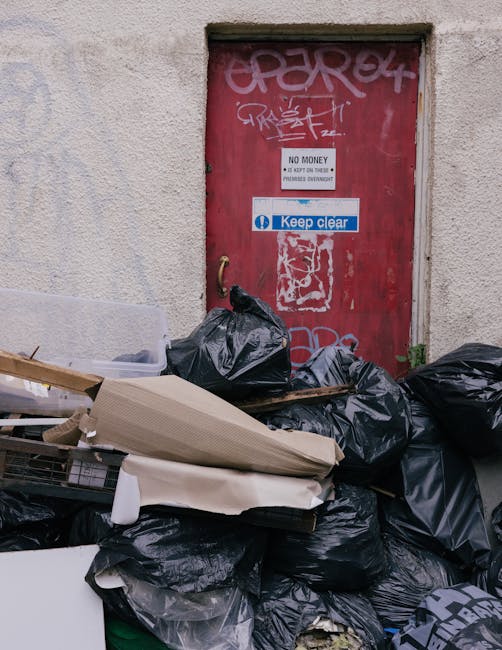
What to know about rubbish clearance costs in South West London
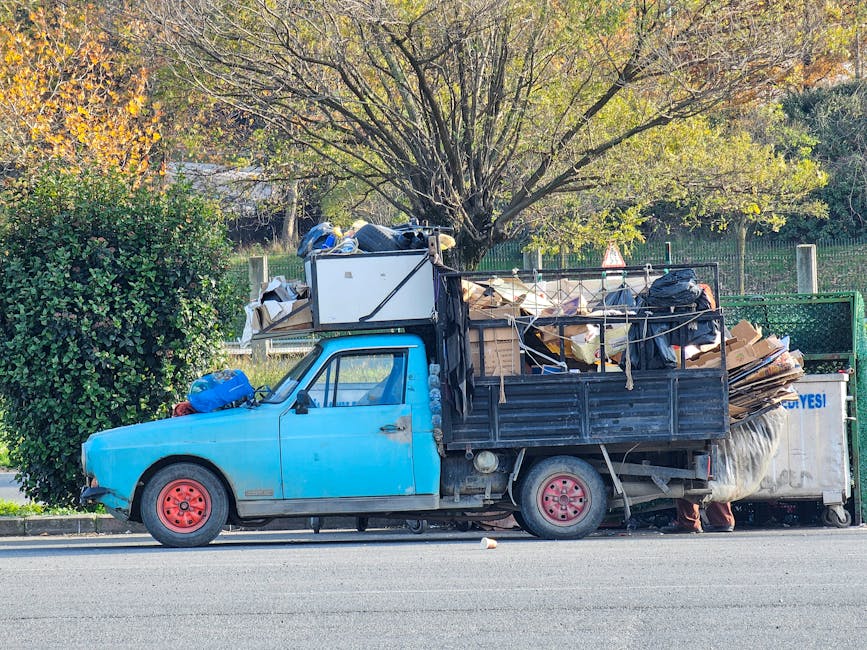
If you are trying to clear a flat, a garden, or a tired pile of builder's waste, rubbish clearance costs in South West London can feel oddly hard to pin down. One job looks simple from the outside, then suddenly there are bulky items, awkward access, parking pressure, and a van load that turns into two. Sound familiar? This guide breaks it all down in plain English so you can understand what affects the price, how the process usually works, and where people often end up paying more than they need to.
South West London has its own quirks too. Terraced streets, tight driveways, controlled parking zones, basement flats, shared access, and the occasional third-floor walk-up all play a part. So do the type of waste, how quickly you need it gone, and whether anything needs sorting before collection. By the end, you will know what sensible rubbish clearance looks like, how to compare quotes properly, and how to avoid the little mistakes that become expensive very quickly.
Why rubbish clearance costs in South West London matter
Rubbish clearance sounds straightforward until you are the one paying for it. Then every small variable starts to matter. The difference between a tidy, efficient collection and a messy, overpriced job can be quite noticeable, especially in South West London where access and parking can shape the job almost as much as the waste itself.
Why does this matter so much? Because clearance cost is rarely just about "how much stuff" there is. It usually reflects a blend of volume, weight, type of material, labour, time on site, and disposal charges. In a dense London setting, those last two can be bigger than people expect. If a team has to carry waste down several flights of stairs, wait for parking space, or make multiple trips to a transfer station, the final figure may rise. Not randomly, either. It is usually tied to the real work involved.
There is another reason to pay attention. Cheap-looking offers can hide awkward extras, while unusually high prices may include services you do not actually need. Knowing the basics helps you ask better questions. It also helps you spot when a quote is fair, when it is incomplete, and when it is probably built to catch you out later. Truth be told, that happens more often than people like to admit.
Expert summary: The most useful rubbish clearance quote is not the lowest one on paper. It is the one that clearly explains what is included, how the waste will be handled, and what might change the final price on the day.
How rubbish clearance pricing usually works
Most rubbish clearance services price jobs using a mix of volume and labour, with some additional factors layered in. The simplest way to think about it is this: you are paying for space in the vehicle, the time taken to load it, and the cost of disposing of the waste correctly. Simple enough in theory. In practice, there is a bit more to it.
Some jobs are priced by load size, such as a fraction of a van or a full van load. Others are assessed by the amount of waste, the effort needed to remove it, or a site visit estimate. If the team can see exactly what needs removing, pricing is usually clearer. If they are working from a description or photos, they may need to allow for a little margin. That is normal.
In South West London, a quote may also reflect access conditions. For example, a house with rear garden access and off-street parking is often easier to service than a top-floor flat on a narrow road with no loading space. The waste is the same, but the job is not. Small difference? Not really.
Here are the main factors that often shape the cost:
- Volume of waste: The more space it takes up, the more you tend to pay.
- Weight: Heavy materials such as rubble, soil, tiles, or mixed building waste can increase disposal costs.
- Type of waste: General household rubbish is usually simpler than specialist waste, bulky electrical items, or mixed renovation debris.
- Labour involved: Carrying items from a basement, loft, or upper floor takes longer.
- Access and parking: Tight streets, permit areas, and long carry distances can add time.
- Urgency: Same-day or short-notice jobs may cost more.
- Sorting required: Mixed loads that need separating often take longer to process.
Many customers are surprised by the access factor. You might think, "It's just a sofa and a few bags." Then the job turns into carrying those bags through a communal hallway, down steps, around a courtyard, and into a van parked half a street away. That is the moment the quote starts making more sense.
Key benefits and practical advantages
Good rubbish clearance is not only about getting rid of clutter. It can save time, reduce stress, and make a property easier to use or sell. In a busy part of London, that is no small thing. You feel the difference straight away when the room clears and the floor is visible again. Nice, simple, slightly emotional even.
Some of the main benefits are easy to see:
- Speed: A professional team can clear waste far faster than most DIY efforts.
- Convenience: You do not have to hire a vehicle, do the lifting, or make several trips.
- Safer handling: Bulky items and sharp debris are less likely to cause injury when removed properly.
- Better sorting: Reputable operators will separate recyclable or reusable material where possible.
- Less disruption: A single visit can save you a weekend of work and a sore back.
There is also a planning benefit. Once you understand rubbish clearance costs in South West London, you can make better decisions about decluttering before a move, clearing after a renovation, or preparing a rental property between tenants. A lot of people wait until the last minute, then pay more because the job has to happen immediately. If you can plan ahead even a little, you often get a calmer process and a cleaner price.
And, let's face it, there is a quiet satisfaction in seeing a space reset. A garage that felt impossible at 8am can look almost generous by lunchtime. Not magic. Just good logistics.
Who this is for and when it makes sense
This topic matters to more people than you might expect. It is not only for homeowners with a mountain of old furniture. Rubbish clearance services are often useful for landlords, tenants, tradespeople, estate agents, letting agents, shop owners, and anyone dealing with a one-off load that is too awkward for normal bin collections.
You may want to arrange clearance if you are:
- moving house and need to remove unwanted furniture or broken items
- clearing out a loft, shed, basement, or garage
- finishing a DIY or renovation project
- managing an end-of-tenancy clean-up
- preparing a property for sale or rent
- dealing with an inherited property that has accumulated years of belongings
- removing garden waste after landscaping or seasonal pruning
It makes sense when you have more waste than your normal collection can handle, or when the items are too bulky, heavy, or time-consuming to move yourself. Sometimes it is also the right call simply because you do not want a job hanging over you for another month. That is perfectly valid. Life is busy enough already.
If you only have a few manageable items, you may not need full-service clearance. If you have a larger or mixed load, though, professional removal is often the more efficient route. The key is matching the service to the job rather than assuming bigger is always better.
Step-by-step guidance
If you want a realistic handle on rubbish clearance costs, the easiest approach is to break the process into stages. That makes it simpler to compare quotes and reduce surprises.
- List what needs removing. Walk through the property and note the main items, bagged waste, and anything bulky. Be specific. "A few things" is not very helpful for pricing.
- Separate waste types where possible. General rubbish, garden waste, furniture, wood, metal, and rubble can all affect the estimate differently.
- Take clear photos. A few well-lit pictures help a provider judge the volume and access. Morning light near a window is usually enough.
- Explain the access. Mention stairs, narrow hallways, parking limits, distance from the property, and any permit or loading restrictions.
- Ask what is included. Does the quote cover labour, loading, disposal, and VAT if relevant? Are there minimum charges?
- Check for exclusions. Some items may need separate handling, especially specialist waste or hazardous materials.
- Compare like for like. Two quotes that look similar may differ a lot once you check what is actually included.
- Book a time that suits the job. If access is easier on a weekday morning, say so. It can save stress all round.
A small example: if you are clearing a two-bedroom flat in South West London and the lift is out, you should mention that immediately. It sounds minor until the crew arrives and discovers five flights of stairs. Then the quote, naturally, may no longer match the job. Better to be upfront and save everyone the awkwardness.
If a provider offers an on-site quote, that can sometimes be the most accurate option for bigger loads. For smaller, clear-cut jobs, photographs are often enough. The point is not to overcomplicate it. Just give enough information to make the estimate honest.
Expert tips for better results
A few small decisions can make a noticeable difference to rubbish clearance costs in South West London. None of these are dramatic, but together they can save money and avoid friction.
- Sort what you can before collection: Even basic sorting helps. A mixed pile is harder to assess and may be slower to load.
- Group items together: If waste is spread across several rooms, the job takes longer than it needs to.
- Be honest about the load size: Underestimating waste is a classic way to get stung by a revised quote later.
- Ask about minimum charges: A small job can still hit a lower pricing threshold, so it is worth checking.
- Plan around parking: If your street is tight, a small change in timing can save a surprising amount of hassle.
- Get clarity on same-day requests: Speed is useful, but urgent work often comes at a premium.
One practical tip people often overlook: think about the route from the waste to the vehicle. A clear front path, unlocked gate, or open side access can shorten the job enough to affect overall efficiency. It sounds trivial. It really is not.
Also, if you are comparing services, pay attention to how questions are asked. A good provider will want enough detail to estimate properly. If someone seems oddly casual about what you are throwing away, that is not always a good sign. You want straightforwardness, not guesswork.
Common mistakes to avoid
Most overpaying comes from one of a handful of avoidable mistakes. The good news? They are easy enough to spot once you know what to look for.
- Assuming all rubbish is priced the same: It is not. Weight, type, and handling matter.
- Forgetting access details: Parking restrictions and stairs can change the final figure.
- Not asking what happens to the waste: Responsible disposal should be clear, not vague.
- Comparing only the headline price: A cheaper quote may exclude labour, disposal, or difficult-access charges.
- Leaving everything until the last minute: Urgent bookings can reduce your options and push up costs.
- Mixing prohibited or specialist items with general waste: This can complicate the job fast.
A surprisingly common one is the "I only have a little bit" problem. It is often not little. People look at a corner full of bags and think it will disappear into a van like confetti. Then reality arrives with a tape measure and a loading bay. A little humour helps there, but the quote still has to be based on the actual load.
Another mistake is failing to ask whether the team will sweep up afterwards. Some do, some do not, and it is better to know in advance. A clean finish matters, especially if you are handing a property back or getting ready for a viewing.
Tools, resources and recommendations
You do not need a complicated toolkit to plan rubbish clearance well. In practice, a few simple things make the process smoother.
- Phone camera: Good photos are often the quickest way to get a sensible estimate.
- Notebook or notes app: Useful for listing room-by-room waste and any awkward items.
- Basic measuring tape: Handy for large furniture, appliances, or piles of DIY waste.
- Bin bags and labels: Helpful if you want to separate reusable items from true rubbish.
- Access details: Parking restrictions, entry codes, and gate instructions should be ready before collection day.
As for recommendations, the best one is plain and simple: describe the job as accurately as you can. If you are unsure whether something counts as general rubbish or needs special handling, say so. It is better to flag uncertainty early than to discover it mid-collection. That saves time for everybody.
If your goal is a cleaner handover, pair clearance with any other final tidy-up work before the team arrives. That way you are not paying clearance rates to move things that you could have consolidated in five minutes. Small effort, decent reward.
Law, compliance, standards, or best practice
When rubbish is removed, the job is not finished at the front gate. Responsible handling matters. In the UK, waste should be taken to appropriate facilities and handled in line with accepted waste management practice. If a provider cannot explain how waste is disposed of, that is worth questioning.
For you as the customer, the practical takeaway is simple: use a clearance provider that operates transparently and can handle the type of waste you have. Household rubbish, garden waste, furniture, and light refurbishment debris are usually straightforward. Items such as chemicals, paints, oils, asbestos, clinical waste, or certain electricals may need different treatment. That is not about making life awkward; it is about safety and proper disposal.
Best practice also includes being honest about waste contents. If you hide specialist items in a general load, you may create delays, extra charges, or compliance issues. Not ideal. If there is any doubt, ask what should be separated in advance.
In South West London, parking and access rules can also affect how a collection is carried out. A sensible team will plan around local restrictions rather than treating them as an afterthought. Good planning saves awkward phone calls, and a fair bit of frustration too.
Options, methods, or comparison table
Not every clear-out needs the same approach. The best method depends on how much waste you have, how quickly it needs to go, and whether you want to do any of the lifting yourself.
| Option | Best for | Pros | Possible drawbacks |
|---|---|---|---|
| Professional rubbish clearance | Bulky, mixed, or urgent loads | Fast, convenient, less physical effort | Usually costs more than self-loading |
| Skip hire | Longer projects with steady waste buildup | Good if you are generating waste over several days | Needs space, permits may be required, you do the loading |
| Self-haul to a disposal site | Small loads and flexible schedules | Can be cost-effective if you have transport | Time-consuming, heavy lifting, multiple trips possible |
| Donate, sell, or reuse first | Usable furniture and appliances | Can reduce clearance volume and waste | Takes more time and organisation |
For many South West London households, a mix of approaches works best. You might sell a decent sofa, donate a usable chair, and then arrange clearance for the rest. That often lowers the final bill because the actual rubbish load is smaller. Smart, really.
If you are weighing up options, ask yourself one simple question: do I want to spend my time or spend my money? There is no universally correct answer, just the one that suits your situation.
Case study or real-world example
Here is a realistic example based on a fairly common South West London scenario. A couple moving out of a two-bedroom flat had a mix of items to remove: a broken wardrobe, several black bags of household waste, a bedside table, a disassembled desk, a small shelf unit, and some garden cuttings from the shared courtyard. At first glance, they thought it would be a quick job.
Then they remembered the flat was on the third floor, the lift was temperamental, the street had limited stopping space, and the courtyard gate needed access codes. Suddenly the "simple" clear-out had a few moving parts.
What helped keep the cost sensible was preparation. They grouped the waste into one area, took clear photos, flagged the access issues early, and separated a few usable items they could donate. The result was a more accurate quote, less time wasted on the day, and no surprise charges for hidden access problems.
The lesson is not that every job is complicated. It is that the complicated bits are often the ones that change the price. Once those are known, the rest becomes much easier to manage.
Practical checklist
Use this quick checklist before booking rubbish clearance in South West London.
- List all items you want removed.
- Separate general waste from bulky or specialist items.
- Take clear photos in good light.
- Note stairs, lift access, gates, and parking restrictions.
- Ask what the quote includes and excludes.
- Check whether disposal, labour, and VAT are covered.
- Confirm whether any items need separate handling.
- Prepare the waste in one accessible area if possible.
- Ask if the team will sweep up or leave the area tidy.
- Book a time that suits access and parking conditions.
If you have done most of the above, you are already ahead of the game. Honestly, that alone filters out most quote surprises.
Conclusion
What to know about rubbish clearance costs in South West London comes down to one core idea: the real price is shaped by more than the waste itself. Volume matters, but so do access, labour, timing, disposal requirements, and how clearly the job is described. Once you understand those moving parts, the whole process becomes much less stressful.
The best outcome is usually the simplest one: a clear description, a fair quote, and a team that turns up ready for the actual job rather than the version you hoped it might be. That kind of clarity saves time, money, and a surprising amount of mental energy. And yes, that matters.
If you are planning a clear-out soon, start with the details, compare quotes properly, and do not be shy about asking what is included. A little preparation goes a long way, especially in busy London streets where small logistical issues can become big ones fast. Still, once it is done, the relief is real.
Get a free quote today and see how much you can save.
And if you are standing in a half-cleared room right now, with dust in the air and one bag still stubbornly untouched, take a breath. You are closer to done than you think.
Frequently Asked Questions
What affects rubbish clearance costs in South West London the most?
The biggest factors are usually volume, weight, type of waste, access, and labour time. A small load with easy parking is usually cheaper than a similar-sized load from a top-floor flat with no nearby loading space.
Is rubbish clearance cheaper than skip hire?
It depends on the job. Rubbish clearance can be better for awkward access, mixed waste, or quick removals because the team does the loading. Skip hire may suit longer projects where you can fill the skip gradually.
Do I pay more for same-day rubbish clearance?
Often, yes. Urgent bookings can carry a premium because they need faster scheduling and more immediate logistics. If you can book ahead, you may get a better price and more flexibility.
Why do quotes change after the team arrives?
Usually because the actual load, access, or waste type was different from the description. Clear photos and honest details help prevent this. If something is hidden behind another pile, say so early.
Can I reduce rubbish clearance costs by sorting items first?
Yes, in many cases. Sorting helps the provider assess the load accurately and may reduce handling time. Separating reusable items or obvious recyclable materials can also reduce the amount of true waste.
What items can increase the price?
Heavy rubble, soil, mixed building waste, large furniture, and anything that needs special handling can raise the price. Items that are awkward to carry, or need careful disposal, usually take more time too.
Is it worth getting a site visit before booking?
For larger or more complicated jobs, yes. A site visit can give a more accurate price than photos alone. For small, straightforward clearances, photos are often enough.
What should I ask before accepting a quote?
Ask what is included, whether labour and disposal are covered, how extra waste is priced, and whether there are any restrictions on certain items. It is also sensible to ask how the waste will be disposed of.
Do South West London parking restrictions affect clearance jobs?
They can, definitely. Limited parking or loading access can add time and make collections more complicated. Mention this at the quote stage so it is built into the estimate properly.
Can I mix garden waste and household rubbish in one collection?
Often yes, but it may affect pricing depending on how the waste needs to be handled. Mixed loads can be more time-consuming to sort, so it is worth checking how the provider prices them.
How do I know if a rubbish clearance provider is using good practice?
Look for clear communication, transparent pricing, and sensible questions about the waste you have. A trustworthy provider should be able to explain what happens to the rubbish without being vague or evasive.
What is the best way to prepare for a rubbish clearance collection?
Make a list of items, take photos, clear access where possible, and be upfront about stairs, parking, or any awkward items. A tidy, well-described job is usually smoother and often better value too.